Best Dry Rub For Ribs (Ultimate Guide + Recipe)
There’s a secret to unforgettable, fall-off-the-bone ribs, and it isn’t just about the meat or the cooking method. The key to unlocking incredible flavor lies in the seasoning. A great dry rub transforms good ribs into something truly special, creating that perfect, caramelized bark and infusing every bite with a complex blend of sweet, savory, and spicy notes.
This guide will walk you through everything you need to know to create the best dry rub for ribs right in your own kitchen. We’ll explore the science behind the perfect BBQ rub, recommend the tools you need to succeed, and give you a killer rib rub recipe that will become your new go-to.
Jump to Recipe | Shop Recommended BBQ Tools
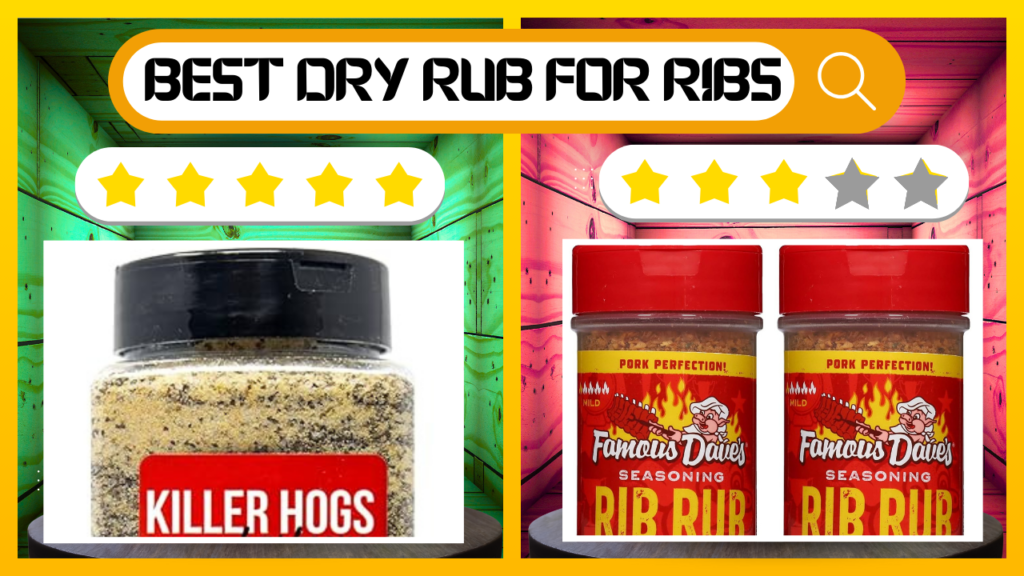
Dry Rub for Ribs (What It Is & Why It Works)
So, what exactly is a dry rub? In simple terms, it’s a mixture of dry ingredients—spices, herbs, salt, and sugar—that you rub onto meat before cooking. Unlike a marinade, which is liquid-based, a dry rub creates a concentrated layer of flavor on the surface of the meat. This crust is essential for achieving the signature “bark” that barbecue lovers crave.
Read also Weber Spirit II Review
The magic behind a dry rub lies in a simple scientific process:
- Salt: This is arguably the most crucial component. Salt works through osmosis, drawing moisture out of the meat. This moisture then dissolves the salt and other soluble ingredients in the rub, creating a natural brine on the surface that is then reabsorbed back into the meat. This process not only seasons the pork but also helps it retain moisture during the long cooking process.
- Sugar: Typically brown or white sugar, this ingredient is vital for caramelization. As the ribs cook, the sugar melts and darkens, forming a delicious, slightly sweet, and crusty exterior (the bark). It perfectly balances the saltiness and the spice.
- Spices: This is where you can truly customize your flavor. Paprika provides color and a smoky or sweet base, while chili powder and cayenne pepper bring the heat. Garlic and onion powders add a savory, aromatic depth that complements the pork beautifully.
By understanding how these elements work together, you can begin to craft a rub that suits your personal taste. Most rib rubs fall into one of four main flavor profiles: Sweet, Spicy, Smoky, or Balanced.
Rib Rub (Choosing the Right Seasoning)
Choosing the right seasoning depends largely on the meat you are cooking. While salt and pepper might be sufficient for beef ribs (letting that rich beef flavor shine), pork ribs demand a bit more complexity. Pork is a milder canvas that benefits hugely from a sweet and savory punch.
Sweet vs. Spicy: The Great Debate
When picking a pork rib seasoning, you usually have to decide between sweet and heat.
- Sweet Rubs: Heavily feature brown sugar or molasses granules. These are crowd-pleasers, especially for families with kids.
- Spicy Rubs: Lean into cayenne, chipotle, or ghost pepper powders. These are great if you want to cut through the richness of the pork fat with some fire.
Most successful BBQ rib spice mixes aim for a balance—enough sugar to caramelize, enough salt to season, and enough spice to wake up the palate.
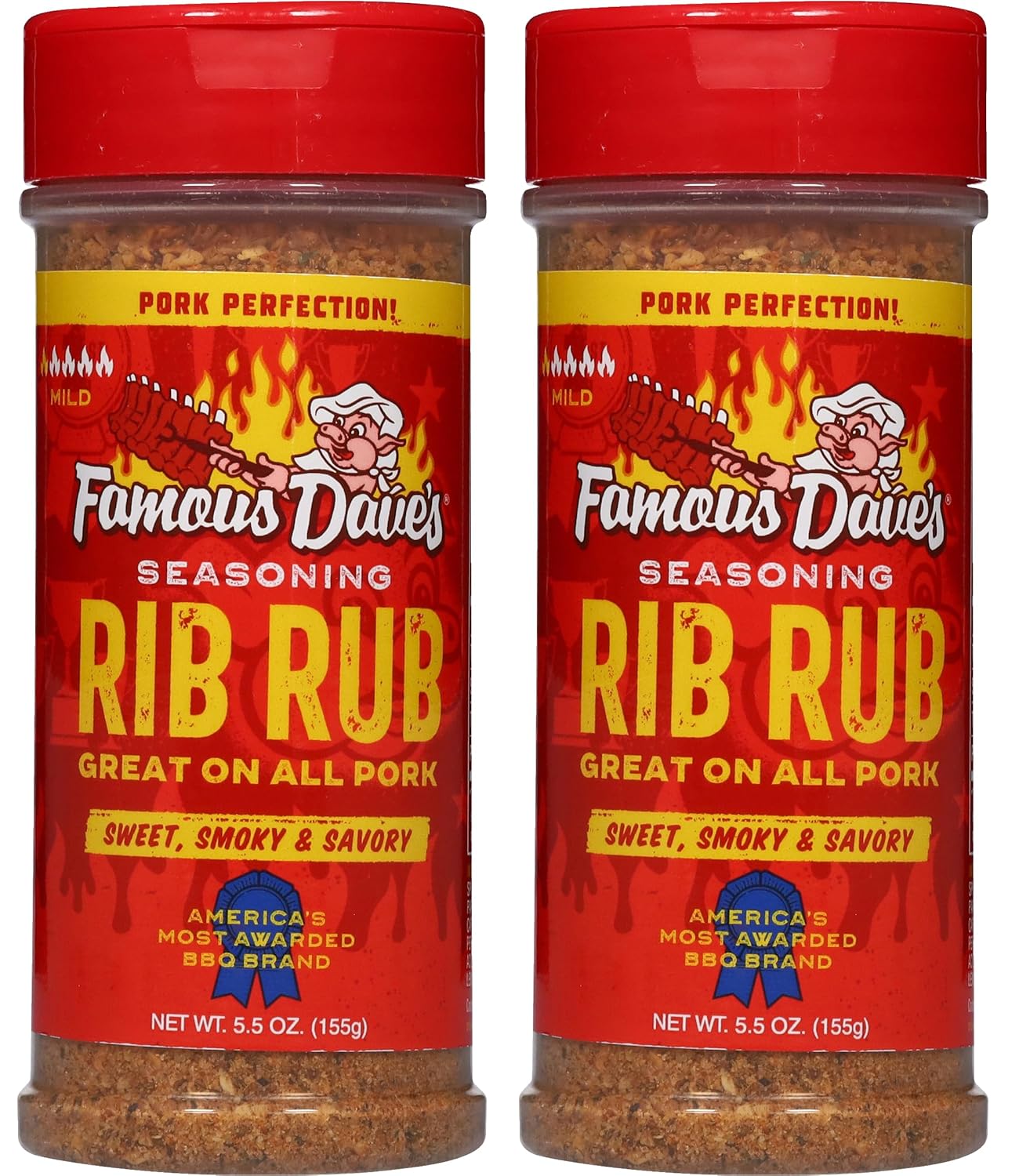
Don’t want to make your own? Check out my top picks for Best Store-Bought Rib Rubs on Amazon:
Famous Dave’s
- Killer Hogs The BBQ Rub: A classic, balanced sweet/savory rub.
- Meat Church Honey Hog: Incredible color and sweetness, perfect for pork.
- Plowboys Yardbird: A little kick of heat with a savory finish.
Ingredients for Rib Rub
A homemade rib rub gives you total control over the flavor and sodium levels. Here is the breakdown of the essential building blocks for the perfect batch:
- Brown Sugar: The foundation of the bark. It aids in browning and provides sweetness.
- Smoked Paprika: Adds a deep, red color and that “wood-fired” flavor, even if you are cooking in an oven.
- Black Pepper: Adds an earthy bite that contrasts the sugar.
- Garlic Powder & Onion Powder: The savory backbone of any good seasoning.
- Chili Powder: Adds depth and mild heat.
- Mustard Powder: Provides a tangy “zing” and helps emulsify the flavors.
- Cayenne: For the heat lovers—adjust this to your preference.
- Salt: Kosher salt is best for its coarse texture and clean flavor.
- Optional Add-ons: Consider a pinch of ground coffee for earthiness, cocoa powder for rich color, or chipotle powder for a smoky kick.
Kitchen Essentials for Making Rubs:
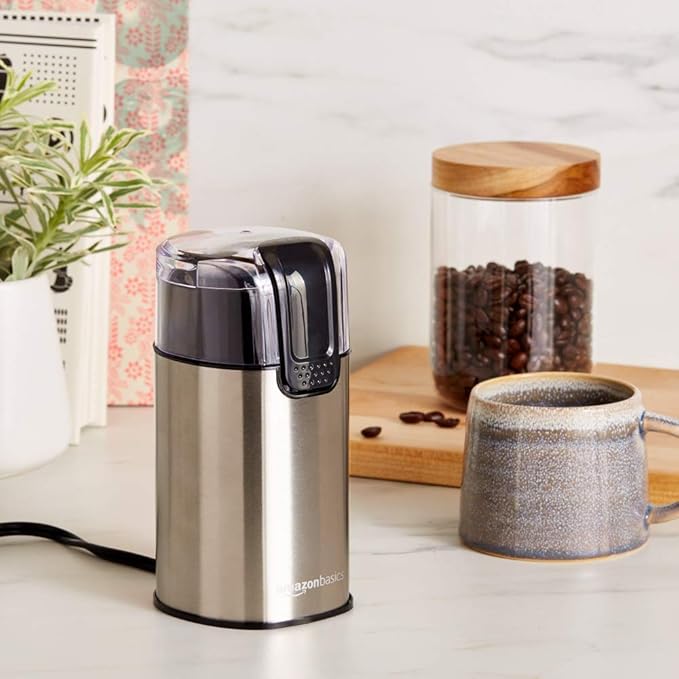
Spice Grinder
- [Recommended Spice Jars]: Keep your spices fresh and organized.
- [Seasoning Shaker]: For even distribution on the meat.
- [Digital Scale]: Precision is key for consistent results.
- [Spice Grinder]: If you buy whole spices, grinding them fresh makes a huge difference.
More Dry Rub Recipes
Once you master this rib rub, try these variations for other cuts of meat:
- Chicken Rub: Lighter on the sugar, heavier on herbs like thyme and sage.
- Sweet Rub: Increase the brown sugar ratio for a candy-like bark.
- Beef Rub: Focus on salt, pepper, garlic, and coffee; skip the sugar.
- Apple Jalapeño BBQ Sauce: Pair your rub with a sweet and spicy glaze. (Check out our partner sauces for easy flavor upgrades!)
Rib Rub Recipe
This is the master recipe. It yields enough for 2-3 full racks of ribs.
Ingredients
- 1/2 cup Brown Sugar (packed)
- 1/4 cup Smoked Paprika
- 1 tablespoon Kosher Salt
- 1 tablespoon Black Pepper (coarse ground)
- 1 tablespoon Chili Powder
- 1 tablespoon Garlic Powder
- 1 tablespoon Onion Powder
- 1 teaspoon Mustard Powder
- 1/2 teaspoon Cayenne Pepper (optional, for heat)
Instructions
- Mix: Combine all ingredients in a medium bowl. Use a whisk or a fork to break up any clumps of brown sugar.
- Prep Ribs: Pat your ribs dry with paper towels. This removes surface moisture so the rub sticks better.
- Season: Generously coat the ribs on all sides. Don’t be shy—rub it into the meat!
- Rest: Let the ribs sit with the rub on for at least 30–60 minutes before cooking. This allows the salt to penetrate the meat and the spices to hydrate (“sweat”).
- Cook: Smoke, grill, or bake your ribs according to your preferred method.
- Sauce (Optional): If you love sticky ribs, brush with BBQ sauce during the last 30 minutes of cooking.
Cooking Gear Recommendations:
Smoker for Ribs
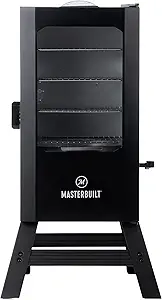
- Best Smoker for Ribs: Traeger Pro Series or Weber Smokey Mountain.
- Best Grill for Beginners: Weber Kettle Premium.
- Essential Gear: Rib racks, instant-read thermometer, and heat-resistant gloves.
Nutrition Notes
- Calories: Approx 45 kcal per serving (2 tbsp)
- Dietary: This rub is naturally Gluten-Free. For Low-Carb/Keto, substitute brown sugar with a golden monk fruit sweetener.
BBQ Must Haves
To make the best ribs possible, having the right tools makes the process easier and safer. Here are the essentials every pitmaster needs:
- Wireless Meat Thermometer: Never guess if your meat is done. Look for one with a long-range remote or app connectivity.
- Wood Pellets / Chunks: Apple, Cherry, or Hickory wood pair perfectly with this rub.
- Heat-Proof Gloves: Essential for handling hot racks of ribs or moving grill grates.
- Cast Iron Skillet: Great for making side dishes on the smoker while the ribs cook.
- Basting Brush: A silicone brush is easy to clean and perfect for saucing.
- Rib Rack: Allows you to stack ribs vertically, doubling your smoker’s capacity.
Best Dry Rub for Ribs (Expert Picks)
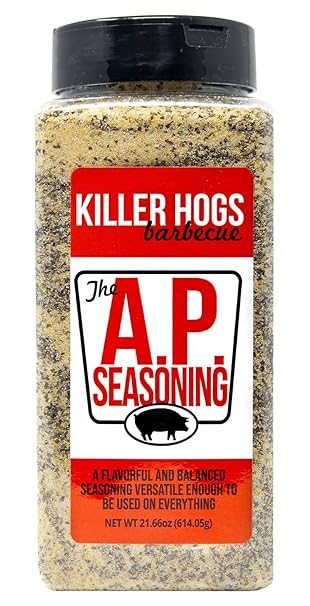
If you don’t have time to mix your own, here are the top commercial rubs I keep in my pantry:
Killer Hogs
‘