Tube Amp vs Solid State 2025: Which Should You Buy?
The debate between tube and solid-state amplifiers has been a cornerstone of the audio world for decades. For many, the choice defines their entire listening experience. But as technology evolves, the lines have blurred. The advancements in 2025 have made both options more compelling than ever, with modern tube amps offering improved reliability and solid-state designs achieving new levels of audio fidelity.
This guide will demystify the tube amp vs solid-state debate for vinyl enthusiasts, audiophiles, and home theater users. We’ll break down the technology, compare the sound, and help you decide which amplifier is the right choice for your system and budget.
What is a Tube Amplifier?
Tube Amplifier

A tube amplifier, also known as a valve amplifier, uses vacuum tubes to increase the power of an audio signal. This is the original method of amplification, tracing its roots back to the early 20th century. The classic, warm glow of vacuum tubes has a nostalgic appeal that many audiophiles find irresistible.
While vintage tube amps are prized collectibles, 2025 has brought significant improvements. Modern designs feature better components, increased tube longevity, and enhanced reliability. We’re also seeing more hybrid designs that pair a tube preamp with a solid-state power section, aiming to deliver the best of both worlds. Tube amps remain a popular choice for dedicated two-channel listening, especially for those who cherish the rich, warm sound that complements vinyl records so well.
Pros of Tube Amplifiers
- Warm, Rich Sound: Tube amps are famous for producing a smooth, warm sound with even-order harmonic distortion that many people find musically pleasing and non-fatiguing.
- Musicality and Character: They add a distinct character to the music, often described as having a three-dimensional soundstage and a lifelike quality that audiophiles adore.
- Aesthetic Appeal: The visible, glowing tubes provide a unique and captivating visual experience that solid-state gear simply cannot replicate.
Cons of Tube Amplifiers
- Maintenance and Cost: Tubes have a finite lifespan and need to be replaced periodically, which can be an ongoing expense.
- Size, Weight, and Heat: They are typically larger, heavier, and produce a significant amount of heat, requiring ample ventilation space.
- Lower Efficiency: Tube amps are less energy-efficient than their solid-state counterparts, converting more electricity into heat rather than sound.
Read also Best Dry Rub For Ribs
What is a Solid-State Amplifier?
Solid-State Amplifier
A solid-state amplifier uses transistor-based circuits to amplify the audio signal. This technology became dominant in the 1970s, offering a more practical, reliable, and affordable alternative to tube amps. Since then, the technology has evolved dramatically.
By 2025, solid-state amplification will have reached incredible heights. High-efficiency Class D amplifiers deliver immense power from a tiny chassis, making them a popular choice for a powerful solid-state amplifier for home theater systems. Advanced Class A/B designs offer pristine, low-distortion sound, and a new wave of hybrid models provides even more options for discerning listeners. Their reliability and performance make them the standard for everything from home theaters to compact desktop setups.
Pros of Solid-State Amplifiers
- High Efficiency: Modern designs, especially Class D, are incredibly efficient, running cool and consuming less power.
- Compact and Lightweight: They can be made much smaller and lighter than tube amps with equivalent power ratings.
- Low Maintenance: With no tubes to replace, solid-state amps have a longer lifespan and require virtually no maintenance.
- Excellent Value: You can often get more power and features for your money, especially in the under-$1000 market.
Cons of Solid-State Amplifiers
- Can Sound “Sterile”: Some audiophiles find the precise, analytical sound of certain solid-state amps to be less musically engaging or “sterile” compared to the warmth of tubes.
- Less Aesthetic Charm: They lack the visual flair and nostalgic appeal of a glowing tube amplifier.
Tube Amp vs Solid State – Key Differences in 2025
The core differences remain, but technology has narrowed the gap in some areas.
- Sound Signature: The classic distinction holds true. Tubes generally offer a warmer, richer, and more “musical” presentation, while solid-state amps provide precision, speed, and analytical detail.
- Power Efficiency and Heat: Solid-state, particularly Class D, is the clear winner here. It runs cooler, consumes less power, and is easier to place in a media cabinet.
- Connectivity and Features: Solid-state amplifiers in 2025 are more likely to include modern features like built-in DACs, Bluetooth, Wi-Fi streaming, and extensive digital inputs right out of the box.
- Price and Value: Under $1000, solid-state amplifiers generally offer more power, features, and reliability for the money. Quality tube amplification often requires a higher investment.
Read also Weber Spirit II Review
Best Tube Amplifiers Under $1000 (2025)
Finding a quality tube amp under $1000 can be a challenge, but these models deliver that classic tube sound without breaking the bank.
| Model | Power | Inputs | Price | Pros & Cons |
|---|---|---|---|---|
| Monoprice Pure Tube | 10W x 2 | 1 RCA, BT | ~$450 | Pros: Genuine tube warmth, built-in BT, great price. Cons: Low power, limited inputs. |
| Reisong A10 | 6W x 2 | 2 RCA | ~$400 | Pros: Classic single-ended triode sound, point-to-point wiring. Cons: Very low power, requires efficient speakers. |
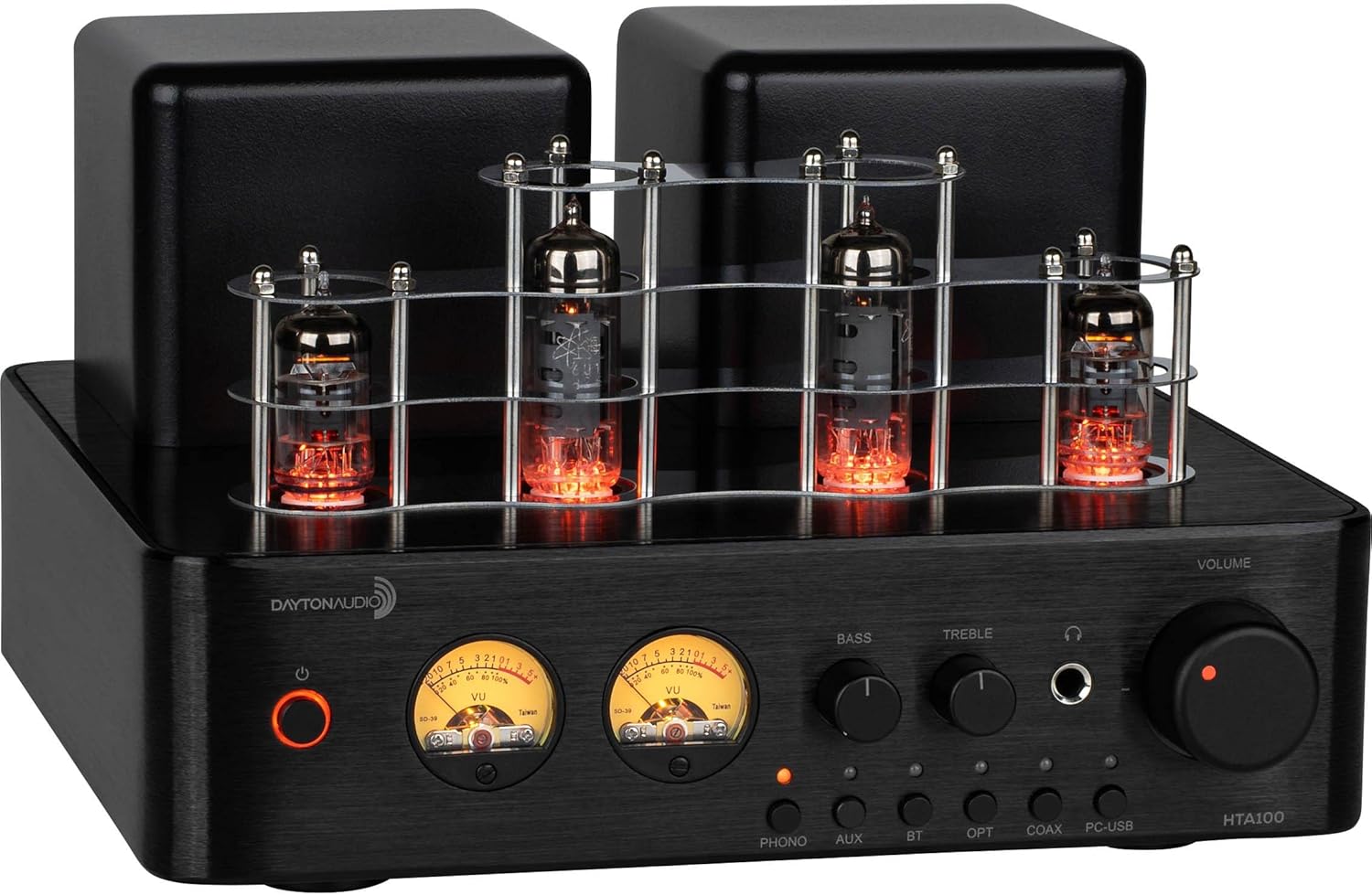
| Dayton Audio HTA100BT | 50W x 2 | 1 RCA, USB, Opt, BT | ~$250 | Pros: Hybrid design, powerful, tons of inputs. Cons: Tube is only in the preamp stage. |
| Nobsound MS-10D MKIII | 25W x 2 | 1 RCA, USB, BT | ~$180 | Pros: Extremely affordable, good connectivity. Cons: Sound quality not on par with pure tube amps. |
| Fosi Audio T20 | 50W x 2 | 1 RCA, BT | ~$100 | Pros: Tiny footprint, surprisingly good sound for the price. Cons: Hybrid design, external power brick. |
Best Solid-State Amplifiers Under $1000 (2025)
This category is packed with high-performance, feature-rich options that offer incredible value.
| Model | Power | Connectivity | Price | Pros & Cons |
|---|---|---|---|---|
| Cambridge Audio CXA61 | 60W x 2 | 4 RCA, USB, Opt, BT | ~$999 | Pros: Detailed, dynamic sound, high-res DAC. Cons: No phono stage. |
| Marantz PM6007 | 45W x 2 | 4 RCA, Opt, Coax | ~$799 | Pros: Warm, musical sound, excellent phono stage. Cons: No Bluetooth or USB. |
| Rega io | 30W x 2 | 2 RCA, Phono | ~$725 | Pros: Incredibly engaging and rhythmic, fantastic phono. Cons: Low power, limited inputs. |
| NAD C 316BEE V2 | 40W x 2 | 4 RCA, Phono | ~$499 | Pros: Clean, powerful sound, great phono stage. Cons: No digital inputs. |
| Yamaha A-S301 | 60W x 2 | 5 RCA, Opt, Coax | ~$350 | Pros: Neutral sound, built-in DAC, reliable. Cons: Basic remote, can sound a bit dry. |
Tube or Solid State – Which Should You Buy?
The right choice depends entirely on your priorities and how you plan to listen.
- For the Ultimate Vinyl Setup: If your primary goal is to get the most engaging and warm sound from your record collection, and you appreciate the character and aesthetic, a tube amplifier is an excellent choice.
- For an Immersive Home Theater: For driving multiple speakers with clean, high-impact power, a solid-state amplifier is the practical and superior option. Its efficiency, power, and reliability are perfect for movie soundtracks.
- For a Desktop or Compact System: Solid-state wins here. Modern Class D amps offer fantastic sound in a small, cool-running package that’s perfect for a desk or small shelf.
- On a Budget: For under $1000, solid-state generally provides better overall performance, power, and features for your money.
Read also Best Winter Jackets for Extreme Cold
FAQs
Can tube amps drive modern speakers efficiently?
Yes, but it depends on the pairing. Low-power tube amps (under 25 watts) need to be paired with high-sensitivity speakers (90 dB or higher) to play at satisfying volumes. More powerful tube amps can drive a wider range of speakers.
Are solid-state amps better for home theaters?
Unequivocally, yes. Home theater systems require consistent, high power across multiple channels, something solid-state multichannel receivers and amplifiers are specifically designed to do efficiently and reliably.
Do tube amps get hot during long sessions?
Yes. Vacuum tubes generate a significant amount of heat as a byproduct of their operation. They require plenty of open space for ventilation and should never be placed in a closed cabinet.
Is it worth spending more on a tube amp in 2025?
For audiophiles who prioritize sound character, warmth, and musical engagement above all else, the answer is often yes. The unique sonic signature of a quality tube amp is something that many find worth the extra cost and maintenance.
Can hybrid amps give the best of both worlds?
They can be an excellent compromise. A hybrid amplifier that uses a tube preamplifier and a solid-state power amplifier can provide a touch of tube warmth and character while retaining the power, efficiency, and speaker-driving capability of a solid-state design.
Conclusion & Buying Advice
The choice between a tube and a solid-state amplifier is a personal one. There is no single “best” option, only what is best for you. If you crave that rich, golden-era sound and enjoy the tangible experience of analog gear, the journey into tube amplification is incredibly rewarding. If you prioritize precision, power, convenience, and modern features, a high-quality solid-state amplifier is an unbeatable choice.
For vinyl lovers seeking pure musicality, the Rega io offers a fantastic taste of high-end sound. For those needing a versatile and powerful hub for a mixed digital and analog system, the Marantz PM6007 is a phenomenal all-rounder. Ultimately, the best amplifier is the one that makes you want to listen to more music.